
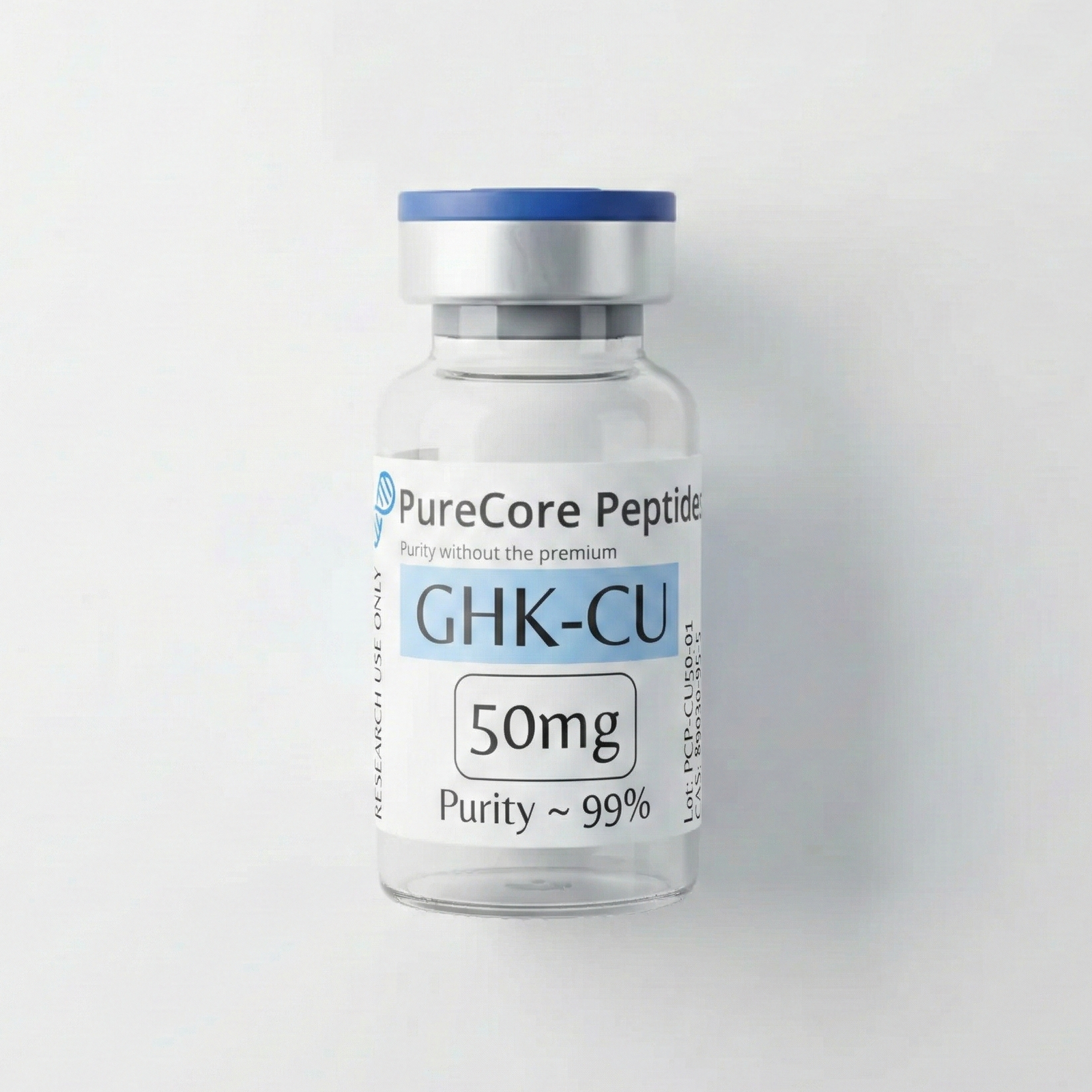
GHK-CU
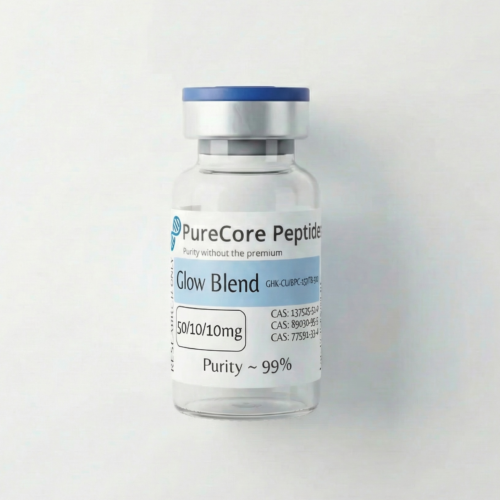
GHK-CU is a modified peptide derived from the tripeptide glycine-histidine-lysine (GHK) and copper (Cu) coordination complex, widely studied in academic and industrial research settings for its potential biochemical interactions. This product is intended solely for research purposes and is not intended for therapeutic, diagnostic, or cosmetic applications.
Research Context
The peptide GHK-CU has been extensively researched in the context of wound healing, cell signaling pathways, and tissue regeneration. The combination of GHK with copper (Cu) has shown promise in enhancing peptide stability, bioavailability, and potential cellular uptake in vitro and in animal models. Its mechanism of action remains under investigation, but it has been proposed to influence extracellular matrix remodeling, protein synthesis, and cellular proliferation.
Research Overview
GHK-CU has been studied primarily in preclinical research, including cellular assays, animal models of wound healing, and tissue culture experiments. Early findings suggest that this compound may interact with receptors involved in cell growth, extracellular matrix deposition, and tissue repair. Research has explored its effects on fibroblasts, keratinocytes, and other cell types, highlighting potential applications in regenerative biology and tissue engineering.
Key Research Focus Areas
- Wound Healing: GHK-CU has been evaluated for its role in promoting skin repair and collagen deposition in animal studies, particularly in models of cutaneous injuries.
- Extracellular Matrix Remodeling: The peptide has shown potential in modulating proteins associated with extracellular matrix structure, such as collagen and fibronectin.
- Cellular Signaling Pathways: Research has investigated how GHK-CU may influence intracellular signaling cascades, including those linked to growth factors and apoptosis.
- Stability and Bioavailability Enhancement: The incorporation of copper coordination has been studied to improve the peptide’s resistance to degradation and enhance its cellular uptake in vitro.
- Preclinical Toxicology and Safety: Comprehensive toxicology studies in animal models have been conducted to assess potential adverse effects, including genotoxicity and long-term safety.
It is important to note that this research remains in the experimental phase, and the results have not been translated into clinical applications. Further studies are required before any conclusions can be drawn regarding human or therapeutic applications.
For research use only. Not for human or animal consumption.
| Size | 100MG, 50MG |
|---|

Reviews
There are no reviews yet.