All orders placed by 2pm EST will be shipped same day Free Shipping Over $150 Gift With Every Order All orders placed by 2pm EST will be shipped same day Free Shipping Over $150 Gift With Every Order

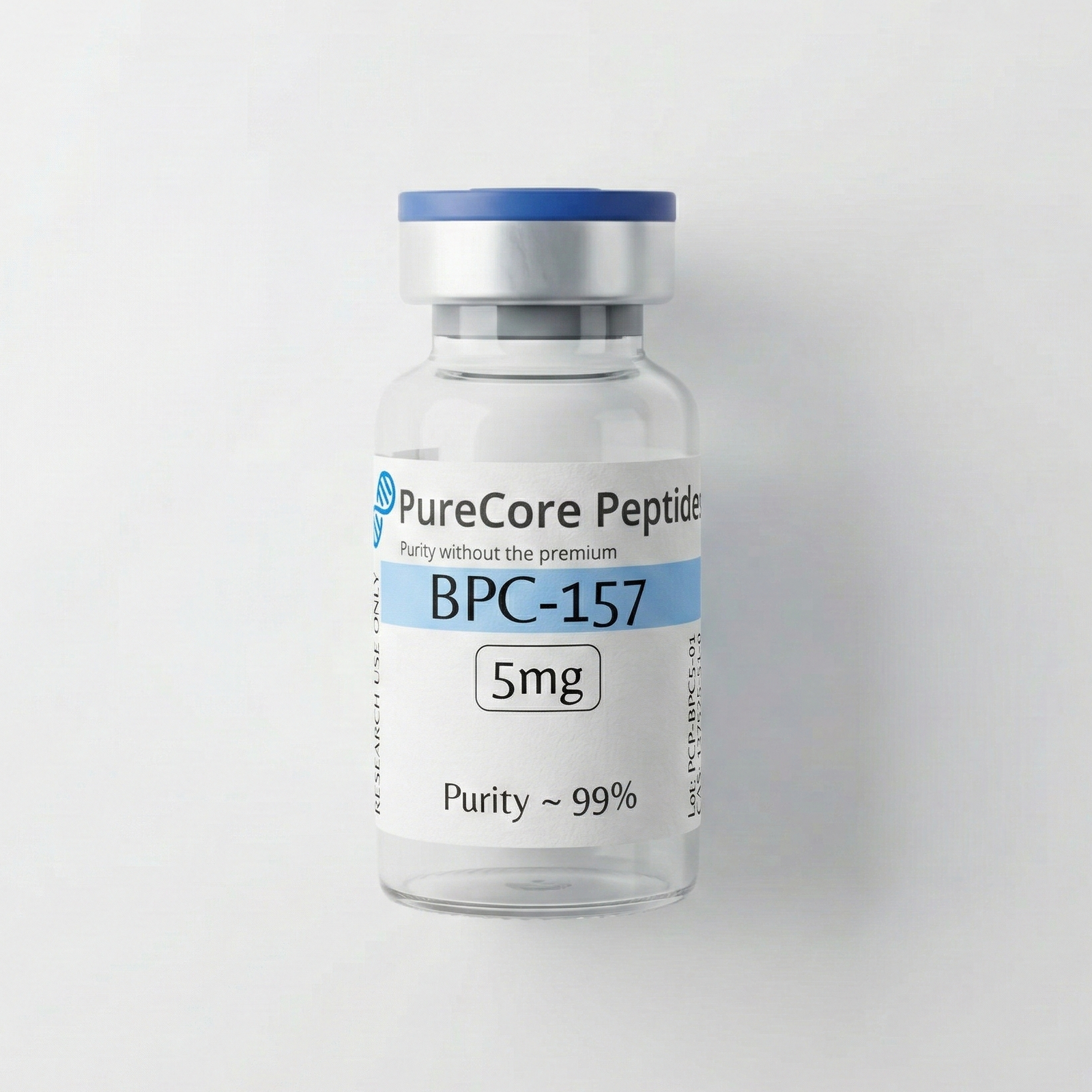
BPC-157

Categories:

BPC-157 is a research-use-only peptide derived from gastric juice, composed of 15 amino acids. It is a candidate in laboratory studies exploring its potential effects on tissue repair and regeneration. For research use only.

Price range: $35.00 through $55.00

⚠️ RESEARCH USE ONLY

This product is for R&D purposes only and is not approved for human or veterinary use.

BPC-157

BPC-157 is a synthetic peptide derived from bovine intestinal mucus, composed of 15 amino acids. It has emerged as a subject of interest within the scientific community for its potential effects on tissue repair and regeneration processes in preclinical models. This peptide is designated for research purposes only and is not intended for therapeutic, cosmetic, or diagnostic applications.

Research Context

BPC-157 was first isolated and characterized in the early 2010s by researchers investigating potential healing properties in various biological models. Early studies demonstrated its ability to promote angiogenesis, reduce inflammation, and enhance wound healing in animal studies. Due to its distinct structure and potential mechanisms of action, BPC-157 has been studied extensively for its potential roles in tissue repair mechanisms.

Research Overview

Research into BPC-157 has primarily focused on its biological effects in preclinical settings, including its interactions with extracellular matrix proteins, signaling pathways involved in tissue regeneration, and its effects on various inflammatory markers. Investigations have also explored its potential application in addressing conditions linked to tissue damage or degeneration in both human and animal models.

Key Research Focus Areas

  • Angiogenesis and vascular repair: Studies have shown BPC-157’s potential to stimulate new blood vessel formation, which may be beneficial in scenarios involving compromised tissue perfusion.
  • Wound healing and tissue regeneration: Preclinical research has highlighted BPC-157’s ability to enhance healing processes in models of acute and chronic wounds.
  • Inflammation modulation: Research indicates that BPC-157 may possess anti-inflammatory properties, influencing cytokine signaling pathways.
  • Extracellular matrix remodeling: Investigations into BPC-157’s role in repairing and restructuring damaged tissues through modulation of matrix proteins.
  • Neuroprotective effects: Emerging findings suggest potential neuroprotective benefits in models of spinal cord injury or neurodegeneration.

Final Compliance Notice

BPC-157 is strictly intended for research purposes only and should not be administered to humans or animals. All handling, storage, and experimental use must comply with applicable laboratory safety protocols and regulatory guidelines. Research results should be interpreted in the context of the specific experimental conditions and limitations of preclinical models.

For research use only. Not for human or animal consumption.

BPC-157

BPC-157 is a synthetic peptide derived from bovine intestinal mucus, composed of 15 amino acids. It has emerged as a subject of interest within the scientific community for its potential effects on tissue repair and regeneration processes in preclinical models. This peptide is designated for research purposes only and is not intended for therapeutic, cosmetic, or diagnostic applications.

Research Context

BPC-157 was first isolated and characterized in the early 2010s by researchers investigating potential healing properties in various biological models. Early studies demonstrated its ability to promote angiogenesis, reduce inflammation, and enhance wound healing in animal studies. Due to its distinct structure and potential mechanisms of action, BPC-157 has been studied extensively for its potential roles in tissue repair mechanisms.

Research Overview

Research into BPC-157 has primarily focused on its biological effects in preclinical settings, including its interactions with extracellular matrix proteins, signaling pathways involved in tissue regeneration, and its effects on various inflammatory markers. Investigations have also explored its potential application in addressing conditions linked to tissue damage or degeneration in both human and animal models.

Key Research Focus Areas

  • Angiogenesis and vascular repair: Studies have shown BPC-157’s potential to stimulate new blood vessel formation, which may be beneficial in scenarios involving compromised tissue perfusion.
  • Wound healing and tissue regeneration: Preclinical research has highlighted BPC-157’s ability to enhance healing processes in models of acute and chronic wounds.
  • Inflammation modulation: Research indicates that BPC-157 may possess anti-inflammatory properties, influencing cytokine signaling pathways.
  • Extracellular matrix remodeling: Investigations into BPC-157’s role in repairing and restructuring damaged tissues through modulation of matrix proteins.
  • Neuroprotective effects: Emerging findings suggest potential neuroprotective benefits in models of spinal cord injury or neurodegeneration.

Final Compliance Notice

BPC-157 is strictly intended for research purposes only and should not be administered to humans or animals. All handling, storage, and experimental use must comply with applicable laboratory safety protocols and regulatory guidelines. Research results should be interpreted in the context of the specific experimental conditions and limitations of preclinical models.

For research use only. Not for human or animal consumption.

Size

10MG, 5MG

Reviews

There are no reviews yet.

Be the first to review “BPC-157”

Your email address will not be published. Required fields are marked *

Related Products

Age Verification!

*By continuing, you confirm eligibility and legal compliance.